




Photograph by Trevor Tondro
You stand at the entrance of your living room, a space intended to be the vibrant heart of your home, and sense that something is fundamentally amiss. Perhaps the furniture feels distant, pushed against the walls like shy guests at a party. Maybe every seat is oriented in silent reverence to the monolithic black screen on the wall, stifling any chance of conversation. This disconnect isn't a failure of personal style, but the result of common, often unconscious, layout mistakes that disrupt a room's psychological harmony and functional flow. It’s the reason a space designed for living can feel strangely lifeless.
The living room is more than just a space for entertaining guests or watching television; it's the emotional heart of a home, the place where we unwind, connect with loved ones, and express our identities. Yet, all too often, this crucial space is designed with a series of common missteps that undermine its potential for fostering well-being. This article delves into the psychology of living room design, offering a comprehensive guide to avoiding these pitfalls and creating a space that is not only beautiful but also deeply restorative.

Photograph by Nicole Franzen
The Tyranny of the Black Mirror: Reclaiming the Living Room from the Television
The television has become an undeniable fixture in modern life, but its dominance in the living room has come at a significant cost. As interior designer Ilse Crawford poignantly states, "When you put a screen at the heart of a room, it becomes a space for consumption, not for living." This sentiment is echoed by a growing body of research that links excessive screen time to increased stress, anxiety, and social isolation.
Case Study 1: The Suburban Media Room

-
What's Wrong
A typical suburban living room features a large sectional sofa pushed against the back wall, directly facing a massive television mounted above a fireplace. The coffee table is an afterthought, and the remaining chairs are angled awkwardly towards the screen. The room's entire purpose is to facilitate passive consumption of media.
-
The Psychological Impact
This layout discourages conversation and connection. The "command center" of the room is a screen, not the people within it. This can lead to a sense of disconnection and a lack of intimacy, even when family members are physically present. A 2022 study published in the Journal of Environmental Psychology found that living rooms with a dominant television were associated with lower levels of family communication and higher levels of individual stress.
-
The Fix
The solution is not to eliminate the television but to dethrone it. The television should be treated as one of several focal points, not the sole one.
-
-
Create a Conversational Hub: Float the sofa and chairs around a central coffee table, creating a "conversational circle." This encourages eye contact and interaction.
-
Integrate the Television: Place the television on a console to the side of the main seating area, or conceal it within a custom cabinetry unit. This allows for comfortable viewing without making the screen the room's centerpiece.
-
Incorporate a Secondary Focal Point: A fireplace, a piece of art, or a large window can serve as an alternative focal point, drawing attention away from the television and creating a more balanced and inviting space.
-
The Wallflower Effect: The Importance of Floating Furniture
The instinct to push furniture against the walls is a common one, but it's a design choice that can have a surprisingly negative impact on a room's atmosphere. As the legendary designer Billy Baldwin once said, "The first thing to do is to pull the furniture away from the walls. It's the most important single thing you can do to make a room look better."
Case Study 2: The Narrow Urban Apartment

-
What's Wrong
In a long, narrow living room, the sofa is placed against one long wall, and the chairs are pushed against the opposite wall. The coffee table is a small, insignificant piece in the middle, and the room feels like a hallway rather than a living space.
-
The Psychological Impact
This layout creates a sense of formality and distance. It's not conducive to conversation, and it can make the room feel cold and unwelcoming. The "dead space" in the middle of the room can also create a sense of unease and imbalance.
-
The Fix
The solution is to create a more intimate and inviting seating arrangement by "floating" the furniture away from the walls.
-
-
Anchor with a Rug: Use a large rug to define the seating area and create a sense of cohesion.
-
Create a "U" or "L" Shape: Arrange the sofa and chairs in a "U" or "L" shape to create a more conversational and intimate setting.
-
Leave Space Behind the Sofa: Even a few inches of space behind the sofa can make a room feel larger and more open.
-
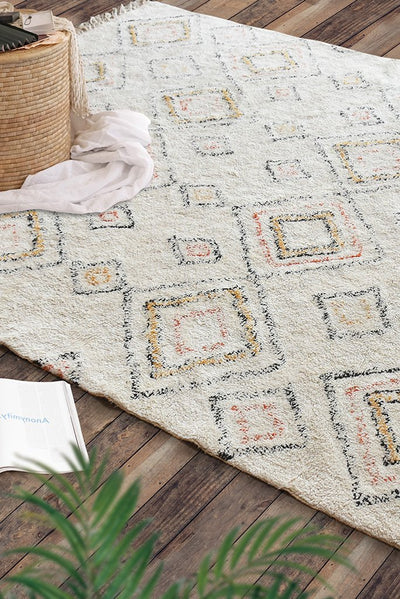
The Handwoven Jute Rug is the perfect anchor for a floating furniture arrangement, adding texture, warmth, and a touch of nature to any living room.
The Traffic Jam: The Importance of Flow and Functionality
The way we move through a space has a profound impact on our sense of well-being. A living room with poor traffic flow can feel chaotic and stressful, while a well-designed space with clear pathways can promote a sense of ease and calm.
Case Study 3: The Open-Plan Dilemma

-
What's Wrong
In an open-plan living and dining area, the sofa is placed directly in the path between the kitchen and the dining table. The coffee table is too large, and there's no clear path to the balcony. The room feels cluttered and difficult to navigate.
-
The Psychological Impact
This layout can create a sense of frustration and anxiety. The constant need to navigate around furniture can be a source of subconscious stress, and the lack of clear pathways can make the space feel chaotic and disorganized.
-
The Fix
The key to creating a functional and flowing living room is to carefully consider the pathways and to create distinct zones for different activities.
-
-
Create Clear Pathways: Ensure that there is a clear and unobstructed path from the entrance of the room to the seating area, and from the seating area to other parts of the home.
-
Define Zones: Use furniture and rugs to create distinct zones for different activities, such as a seating area for conversation, a reading nook, and a play area for children.
-
Choose the Right-Sized Furniture: Avoid oversized furniture that can overwhelm a space and make it feel cluttered.
-
A modular sectional sofa is a versatile and stylish option that can be configured to fit any living room layout, creating a comfortable and functional seating area without obstructing traffic flow.
The Mismatched Puzzle: The Importance of Visual Balance and Anchoring
Visual balance is a crucial element of good design, and it's something that can have a significant impact on our psychological well-being. A living room with mismatched furniture and a lack of visual anchors can feel chaotic and unsettling, while a well-balanced space can promote a sense of calm and harmony.
Case Study 4: The Eclectic Experiment

-
What's Wrong
A living room is filled with a collection of mismatched furniture from different eras and styles. There's no unifying element, and the room feels cluttered and chaotic. The rug is too small, and the artwork is hung at different heights.
-
The Psychological Impact
This layout can be a source of visual stress. The lack of cohesion and balance can make the space feel chaotic and overwhelming, and it can be difficult to relax in such an environment.
-
The Fix
The key to creating a visually balanced and harmonious living room is to create a sense of cohesion and to use visual anchors to ground the space.
-
-
Create a Unifying Element: Use color, texture, or a particular style to create a sense of cohesion throughout the space.
-
Anchor with a Rug: A large rug can be used to anchor the seating area and to create a sense of visual balance.
-
Hang Artwork at the Right Height: Artwork should be hung at eye level to create a sense of visual harmony.
-
Our Abstract Art Collection is a beautiful and serene curation of art that can serve as a visual anchor in any living room, creating a sense of calm and harmony.
The Soulless Showroom: The Importance of Personality and Biophilic Connections
A living room should be a reflection of the people who live in it, a space that tells a story and evokes a sense of personal connection. A living room that lacks personality can feel cold and impersonal, while a space that is filled with personal touches and biophilic elements can be a source of comfort and joy.
Case Study 5: The Minimalist Misstep

-
What's Wrong
A living room is decorated in a minimalist style, with all-white walls, a white sofa, and a glass coffee table. There are no personal touches, and the room feels cold and sterile.
-
The Psychological Impact
This layout can be a source of emotional disconnection. The lack of personal touches can make the space feel cold and impersonal, and it can be difficult to feel a sense of connection to a space that doesn't reflect your personality.
-
The Fix
The key to creating a personal and inviting living room is to incorporate personal touches and biophilic elements that reflect your personality and connect you to nature.
-
-
Incorporate Personal Touches: Display photos, artwork, and souvenirs that have personal meaning to you.
-
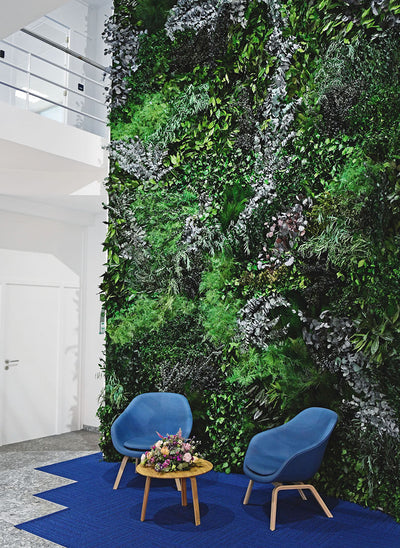
Bring the Outdoors In: Incorporate natural materials, such as wood, stone, and linen, and add plants and flowers to bring the beauty of nature into your home.
-
Create a Sensory Experience: Use candles, essential oils, and soft textiles to create a sensory experience that is both relaxing and inviting.
-
Our Linen collection offers soft and luxurious textiles that can add a touch of warmth and personality to any living room, creating a cozy and inviting space that is perfect for relaxing and unwinding.
The Final Thought
By avoiding these common living room design mistakes, you can create a space that is not only beautiful but also deeply restorative. A well-designed living room is a sanctuary, a place where you can relax, connect with loved ones, and express your truest self. At Forest Homes, we believe that the best rooms are those that balance function, flow, and nature-inspired calm, creating a space that is both restful and alive.




Leave a comment