




If you’ve ever felt calmer after repotting a plant or weeding a small patch of garden, you’ve already met one of nature’s most underrated wellness tools: soil. Far from “just dirt,” living soil is a biodiverse community of bacteria, fungi, and other microorganisms that interact with our bodies in surprising, measurable ways. A growing body of research suggests these microbes can help regulate inflammation, lift mood, and tune the immune system—while the act of gardening itself offers proven mental-health benefits.
Below, I’ll break down the science in plain language and share practical, design-savvy ideas (indoors and out) to help readers—homeowners, apartment dwellers, and even interior designers—turn nature contact into a joyful habit.
1) How soil microbes influence our mood and immune system
The “old friends” we forgot we needed
Immunologist Graham Rook’s Old Friends Hypothesis proposes that human immune systems evolved with constant exposure to non-pathogenic environmental microbes (from soil, plants, animals). In ultra-clean, urban lifestyles we’ve lost some of that exposure, potentially contributing to immune dysregulation—chronic, low-grade inflammation linked to allergies, autoimmune trends, and mood disorders (Rook, Evolution, Medicine, and Public Health, 2013).
Meet Mycobacterium vaccae—the “good mood” microbe
One soil bacterium in particular, Mycobacterium vaccae, has drawn attention for neuroimmune effects. In a landmark mouse study, Lowry and colleagues showed that heat-killed M. vaccae stimulated serotonin pathways and reduced anxiety-like behavior (Neuroscience, 2007). Follow-up research suggests exposure to benign environmental microbes can promote anti-inflammatory immune signaling—important because chronic inflammation is associated with depression.
“We often think of mood as ‘all in the head,’ but the immune system is a powerful upstream switch. Calmer, better-regulated immunity tends to support a calmer mind.”
Biodiversity contact and immune balance
Real-world trials strengthen the case. In the DAYCARE study, children who spent time in nature-rich, microbially diverse play yards showed increases in skin and gut microbial diversity and improved immune regulation (higher T-regulatory cell markers) within weeks (Roslund et al., Science Advances, 2020). While that trial focused on kids, the principle—richer microbial contact → better immune balance—is relevant throughout life.
Takeaway: Gardening and contact with living soil expose us to beneficial microbes that nudge immunity toward balance and may indirectly support mood via lower inflammation and microbe-brain signaling.

2) The mental-health benefits of gardening and nature contact
Lower stress, better mood
Systematic reviews consistently link gardening with reduced anxiety and depression and improved life satisfaction. Soga et al. found significant mental-health gains across diverse populations and settings (Preventive Medicine Reports, 2017). Another review spanning randomized and observational studies echoes these effects, showing reduced stress (cortisol), improved affect, and enhanced vitality (Spano et al., Clinical Practice & Epidemiology in Mental Health, 2020).
Restorative attention & embodied calm
Gardening naturally taps Attention Restoration Theory: soft, fascinating stimuli (leaf textures, earthy scents, dappled light) let the brain’s directed attention rest, combating digital fatigue. Add in rhythmic movement—digging, watering, pruning—and you activate the parasympathetic nervous system (your “rest-and-digest” mode).
Social connection and purpose
Community gardens and shared planters also provide social support and a sense of agency, both protective for mental health. Harvesting a tomato you grew or seeing a struggling fern rebound under your care is a concrete, mood-lifting win.
Takeaway: Gardening bundles multiple therapeutic inputs—sensory restoration, light movement, social connection, and small wins—into one accessible practice.
3) Practical, expert-level ways to put the science to work
You don’t need acreage or a greenhouse. Start where you are and use these clinician- and designer-informed tips:
Outdoors (yards, terraces, small plots)
-
Prioritize living soil. Avoid over-sterilizing beds. Mulch with leaves/compost and disturb soil gently to support microbial life.
-
Grow “high-touch” plants. Herbs (rosemary, thyme, mint), soft-leaf greens, and fragrant natives invite frequent tending (more sensory input, more microbe contact).
-
Garden at eye- and hand-level. Raised beds and container gardens make daily engagement easy—crucial for habit formation.
-
Design for micro-moments. A small bench by your planters turns a 5-minute watering into a calming ritual.
Indoors (apartments, offices, schools)
-
Go beyond the pothos. Mix species and textures to expand microbial diversity and sensory interest: ferns, moss frames, peperomia, and herb planters.
-
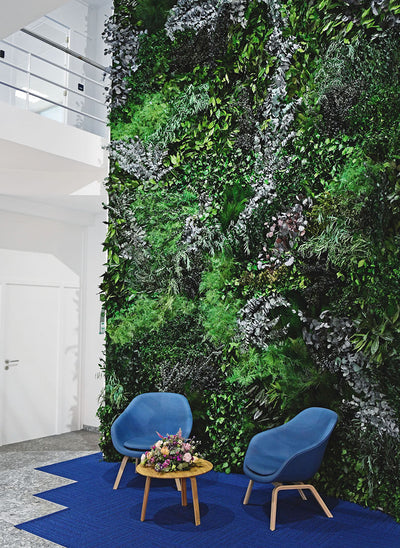
Use living or preserved moss art strategically. Preserved moss requires no watering yet provides proven acoustic dampening and a nature-centric focal point—ideal where active soil isn’t feasible (see Forest Homes’ moss wall art and acoustic panels).
-
Choose natural substrates and containers. Clay, birch-bark, or stone vessels regulate moisture and align with biophilic and low-tox design.
-
Create contact rituals. Daily misting, gentle dusting of leaves with a damp cloth, or repotting on a monthly cadence builds regular, low-effort nature contact.
For interior designers & wellness spaces
-
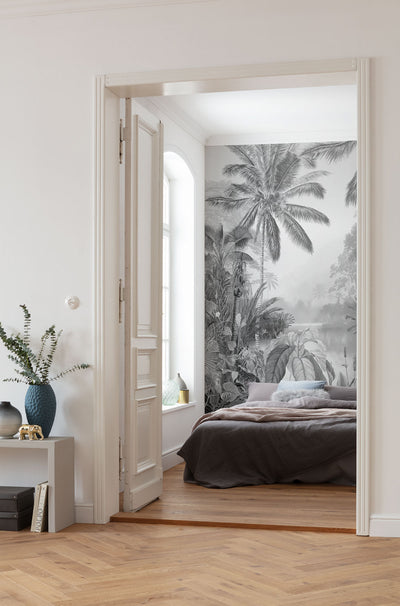
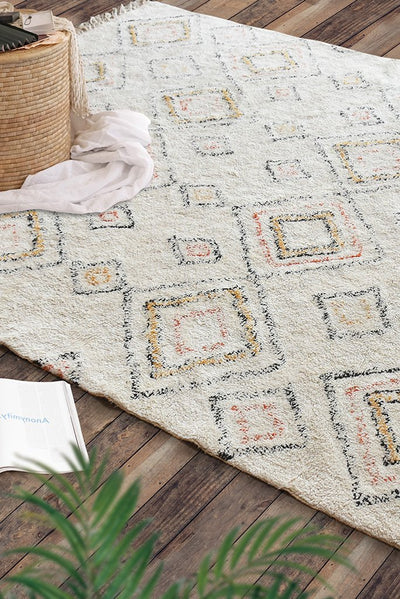
Layer visual + tactile cues. Pair nature murals (forest, shoreline, fractals) with tactile decor—textured ceramics, linen drapery, natural fiber rugs—to engage multiple senses (a core biophilic principle).
-
Zone for restoration. In clinics, spas, or residential retreats, designate “green micro-zones” near daylight: a plant cluster, a water feature, and seating.
-
Mind the materials. Favor FSC-certified wood, low-VOC finishes, natural fabrics (linen, cotton, hemp) to reduce chemical load while reinforcing the nature narrative.
-
Acoustics matter. Use plantings and moss/acoustic panels to soften sound—lower noise supports nervous-system calm and perceived privacy.

Clinician’s Quick Tips: Safe, Immune-Friendly Soil Contact
Start low & slow (5–10 min, 3x/week). Gentle, regular exposure (potting, weeding, harvesting herbs) supports habit formation without overwhelming sensitive skin or airways.
Prioritize clean, living soil. Use reputable compost/soil mixes; avoid soils potentially contaminated by pet waste, sewage, or heavy traffic run-off.
Gloves on, hands washed. Wear breathable garden gloves if immunocompromised or if skin is broken. Wash with soap and water after soil contact; keep nails trimmed.
Mind aerosols & dust. Moisten dry potting soil before handling indoors; open a window or work outside to reduce dust inhalation.
Avoid cross-contamination. Keep food prep surfaces separate from potting areas; sanitize tools regularly.
Allergy aware. If pollen or mold is a trigger, choose low-pollen plantings, handle compost outdoors, and consider a simple mask during mixing.
Tetanus up to date. Confirm vaccinations if you’re doing frequent outdoor gardening or handling rusty tools.
Know your limits. People with severe immune suppression, lung transplants, or active chemotherapy should consult their clinician before routine soil contact.
4) Indoor gardening that mimics outdoor benefits (for apartment dwellers)
Not everyone can garden outside—but you can still approximate the immune and mood benefits indoors.
Micro-exposures with micro-habitats
-
Windowsill herb gardens: Basil, parsley, chives—frequent touching and trimming offer repeated, positive sensory cues.
-
Countertop composters (bokashi/vermiculture): For those comfortable with it, small-scale systems (well-managed) increase interaction with microbial processes without odor when done correctly.
-
Soil-based planters vs. hydroponics: Hydroponics shine for yield and cleanliness, but soil-based containers foster the very microbial diversity tied to immune training. Consider a mix.
Design for light and rhythm
-
Circadian-friendly lighting: Use warm, dimmable lighting in the evening near plant vignettes to cue wind-down; keep bright, blue-enriched light for daytime plant tasks.
-
Biophilic sightlines: Place greenery within your natural gaze paths (desk, kitchen prep zone, entry console) to “dose” yourself with calming cues all day.
Low-maintenance, high-reward picks
-
ZZ plant, snake plant, pothos: Forgiving species that create early success (and consistent engagement).
-
Desktop micro-terrariums: Tiny, contained soil ecosystems you can mist and tend in seconds—a perfect office companion.
-
Preserved moss art: For very low-light areas; combines nature’s texture with zero maintenance while improving acoustics.
5) Quick-start plans (habit formation is half the magic)
-
The 10-minute ritual: Set a daily 10-minute “green break.” Touch the soil, prune, water, or simply sit and breathe near your plants.
-
The weekend reset: Choose a 30-minute task—repot one plant, refresh mulch, or sow microgreens. Keep it small; consistency beats intensity.
-
Pair it with something you already do: After your morning coffee, mist the fern. After lunch, check the herbs. Habit stacking makes it stick.
6) Safety notes (simple, but worth saying)
-
Immunocompromised readers should consult clinicians before deep soil exposure; gloves and good hand hygiene are sensible.
-
Source clean soil/compost from reputable suppliers; avoid tracked-in soils heavily exposed to pet waste or industrial contaminants.
-
Ventilate when potting indoors; a simple cracked window helps.

Design Checklist: Biophilic Moves for Everyday Spaces
Kitchens (home + teaching kitchens)
Green within reach. Install a sunlit herb rail or trio of counter planters—frequent touchpoints amplify sensory benefits (smell, texture).
Breathable materials. Choose natural fabrics (linen runners, cotton café curtains) and FSC wood or stone boards to lower VOC load.
Fractal visuals. Add a small nature mural or framed macro-leaf print near the breakfast nook to provide restorative “soft fascination.”
Light for rhythm. Daylight first; in the evening, shift to warm, dimmable pendants over prep zones to support circadian wind-down.
Acoustics = calm. Use cork runners or moss/acoustic wall tiles to dampen clatter in open kitchens.
Bathrooms + Spa Corners
Moisture-tolerant greens. Ferns, pothos, or preserved moss art for high-humidity calm (preserved options = zero maintenance).
Stone & wood accents. Rounded stone trays, birch-bark pendants, and matte ceramics add tactile grounding.
Aromatics with intent. Diffuse nature-derived essential oils (e.g., conifer, citrus) for short sessions; choose IFRA-compliant, low-sensitizer blends.
Low-glare lighting. Frosted sconces and indirect LEDs reduce visual stress and mimic dawn/dusk.
Home Workspaces + Study Areas
Plant at eye level. A shelf-height planter or moss frame within your gaze path offers frequent micro-restoration.
Neutral base, natural texture. Pair grayscale nature mural backdrops with linen drapery and a small stone objet to reduce overstimulation and aid focus.
Acoustic control. Moss/acoustic panels behind the desk absorb echo; add a wool rug under the chair.
Task + rhythm. Bright, high-CRI task light by day; warmer, dimmer ambient light after 6 pm to cue off-ramp.
Classrooms
Green islands. One “plant station” per room (durable species; student watering rota) increases engagement and microbial diversity.
Nature views (real or represented). If windows lack greenery, use large-scale landscape murals or window films with biophilic patterns.
Sound softening. Cork boards, felt baffles, and plant clusters reduce noise—linked to better attention and calmer behavior.
Outdoor micro-lessons. 10-minute porch or courtyard plant check-ins provide measurable stress relief without losing instructional time.
Clinics, Wellness Studios, & Waiting Areas
First impression, lower cortisol. A preserved moss wall or forest mural at entry, paired with soft, natural textiles, sets a restorative tone.
Touch-friendly materials. Smooth stone side tables, matte ceramics, and linen upholstery feel reassuring and cleanable (spec healthcare fabrics where needed).
Cue control. Warm, indirect lighting; quiet HVAC; discrete acoustic panels behind reception—patients perceive shorter waits and higher care quality.
Wayfinding with nature. Use distinct plant groupings or nature imagery by zone (e.g., “fern wing,” “cedar rooms”) to improve navigation and reduce stress.
Small Balconies & Urban Terraces
Vertical wins. Wall planters + climbing natives maximize biomass and biodiversity in tight footprints.
Layered seating. A small bench adjacent to planters encourages daily 5-minute “green breaks.”
Pollinator pockets. Native flowering clusters (staggered bloom times) boost urban ecology and resident mood.
Pro Sourcing Notes (Forest Homes–friendly)
Visuals: Nature wall murals (forest, shoreline, abstract fractals), grayscale calming backdrops.
Acoustics: Preserved moss panels, felt/cork baffles.
Lighting: Birch-bark pendants, linen shades, dimmable warm LEDs.
Tactiles: Hand-thrown ceramics, stone trays, natural fabric curtains.
Greenery: Preserved moss art, easy-care indoor plants, countertop herb kits.
7) The bottom line
Gardening delivers a triple benefit most wellness practices can’t match:
-
Microbial richness that gently educates the immune system.
-
Mental restoration through sensory, rhythmic, nature-linked activity.
-
Design-friendly joy—beautiful, biophilic spaces you’ll actually want to spend time in.
Whether you tend a backyard bed, a balcony herb box, or a windowsill jungle, your nervous system and immune system are paying attention. Start small. Touch the soil. Breathe. Repeat.
References (named in-text)
-
Lowry, C. A., et al. (2007). “Identification of an immune-responsive mesolimbocortical serotonergic system: Potential role in regulation of emotional behavior.” Neuroscience, 146(2), 756–772.
-
Rook, G. A. W. (2013). “Regulation of the immune system by biodiversity from the natural environment: An ecosystem service essential to health.” Evolution, Medicine, and Public Health, 2013(1), 46–64.
-
Roslund, M. I., et al. (2020). “Biodiversity intervention enhances immune regulation and health-associated commensal microbiota among daycare children.” Science Advances, 6(42), eaba2578.
-
Soga, M., Gaston, K. J., & Yamaura, Y. (2017). “Gardening is beneficial for health: A meta-analysis.” Preventive Medicine Reports, 5, 92–99.
-
Spano, G., et al. (2020). “The benefits of gardening on mental health: A systematic review.” Clinical Practice & Epidemiology in Mental Health, 16, 156–167.
-
Bratman, G. N., Anderson, C. B., et al. (2019). “Nature and mental health: An ecosystem service perspective.” Science Advances, 5(7), eaax0903.
-
Frontiers summary on nature, microbiota, and mental health: e.g., Haahtela, T. (2021). “A biodiversity hypothesis.” Frontiers in Psychiatry, 12, 695—overview pieces connecting biodiversity, immunity, and wellbeing.




Leave a comment