




An Exploration of Environmental Amnesia and the Curative Power of Design
While conservation scientists quantify the alarming rate of biological extinction, a parallel, more insidious extinction is occurring within our own culture: the loss of our language for nature. A compelling body of research suggests that as our vocabulary for the natural world shrinks, so too does our cognitive and emotional connection to it, with profound implications for our mental and physical health. This is not a matter for ecologists alone; it is a critical concern for psychology, design, and anyone invested in the future of human well-being.
Quantifying Our Disconnection: The Data Behind the Silence
The evidence for this "environmental amnesia" is stark. In a pivotal study for the journal Earth, University of Derby psychologist Miles Richardson utilized the Google Books Ngram Viewer to analyze text from 1850 to 2019. His findings revealed a staggering 60% decline in the use of everyday nature-related words like "river," "blossom," and "beak." These words, as Richardson notes, "reflect what people noticed, valued, and wrote about." Their decline is a quantifiable measure of our shifting attention.
This is not an isolated finding. A 2017 study confirmed a steady decrease in nature references across fiction, music, and film. Alarmingly, this linguistic deficit starts early. Research has revealed that a vast majority of children can no longer identify common species like a bumblebee, a phenomenon botanists have termed "plant blindness"—a cognitive inability to see or notice the plants in one's own environment. Our growing alienation from the natural world is systematically erasing it from our collective consciousness.

The Psychological Cost of a World Unseen
Why should the loss of a few words matter? Because language shapes perception. When we lack the words to describe our environment, we cease to truly see it, and a vital channel for human experience closes.
In his seminal 1977 essay, “Why Look at Animals?”, art critic John Berger argued that our relationship with the non-human world offers a unique form of companionship, one that addresses the "loneliness of man as a species." By observing and engaging with nature, we understand our own place within a larger, interconnected system. As we retreat from this engagement, we foster a profound existential isolation.
This concern, once the domain of philosophers, is now validated by a mountain of empirical evidence from environmental psychology. A robust connection with nature is not a luxury, but a fundamental component of a healthy human life. Studies have conclusively linked time in nature to:
-
Reduced symptoms of depression and anxiety.
-
Enhanced creativity and problem-solving abilities.
-
Faster physical healing and cognitive restoration.
-
Increased productivity and focus.
As Richardson told The Guardian, “Nature connectedness is … vitally important for our own mental health.” The erosion of our nature lexicon is a clear symptom of a disconnection that is actively harming us.

Biophilic Design: The Conscious Antidote to Disconnection
If the problem is a retreat from nature, the solution lies in consciously re-integrating it into our daily lives. This is the core principle behind Biophilic Design, an evidence-based approach to architecture and interiors that addresses our innate human need to connect with the natural world.
The "biophilia hypothesis," famously articulated by biologist E.O. Wilson, posits that humans possess an inherent tendency to seek connections with nature and other forms of life. Biophilic design translates this theory into a practical framework for creating healthier, more restorative environments. It is the philosophy that guides every piece we curate at Forest Homes.
(Further Reading: We explore this concept in depth in our article, An Introduction to Biophilic Interior Design.)
This is not simply about placing a pot plant on a desk. It is about a holistic integration of natural elements. It is the tactile grain of a Solid Oak Dining Table that grounds a room, the complex, non-repeating patterns of a Moya Seina Birch Bark Wall Panel that captivate the eye, or the breathable, organic texture of a Thin Black Stripes Linen Duvet Cover Set that connects us to the earth even in sleep.

Rebuilding Your Connection: Actionable Steps for the Modern Home
Reversing this trend of disconnection does not require a retreat into the wilderness. It begins in the spaces where we spend most of our lives: our homes.
1. Embrace Natural Materials and Textures
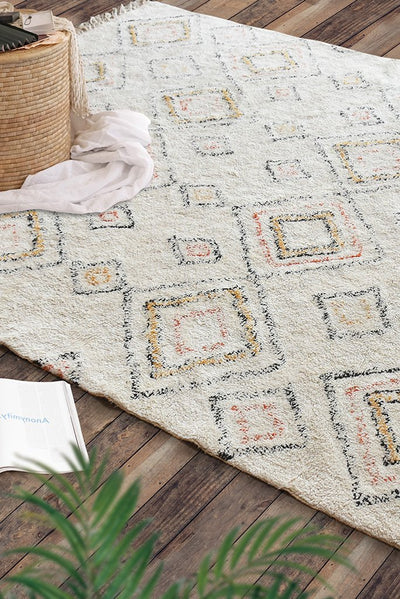
Intentionally choose furniture and textiles made from wood, linen, wool, stone, and rattan. These materials provide a direct, tactile link to the natural world, offering a richness and depth that synthetics cannot replicate.
2. Incorporate Direct Natural Elements
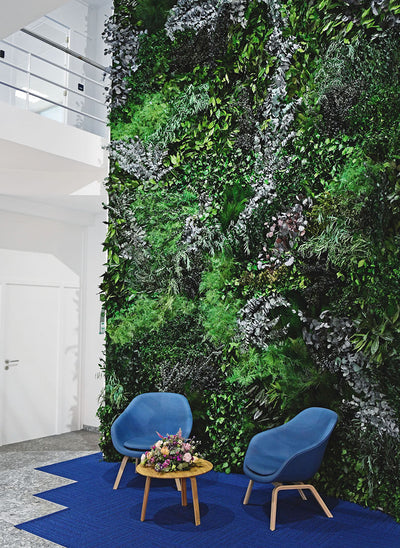
Beyond houseplants, consider elements like dried branches, stone collections, or a small indoor water feature. These act as direct, sensory reminders of the world outside.
3. Prioritize Natural Light and Views
Arrange your space to maximize daylight and, wherever possible, frame views of the sky, trees, or a garden. This creates a dynamic, ever-changing connection to the rhythms of the day and seasons.
4. Cultivate Curiosity
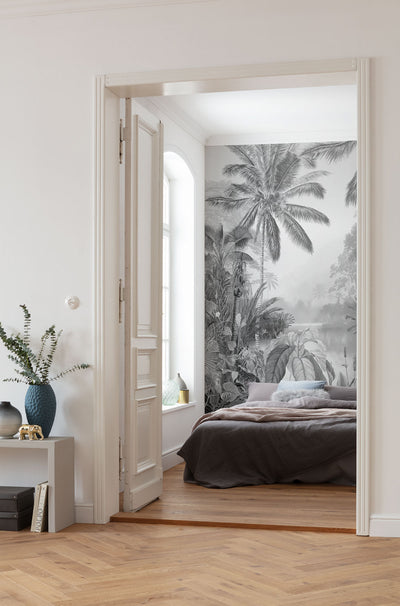
Counter "plant blindness" by actively learning the names of the plants in your home and local area. Use botanical art or books as decor to inspire a deeper appreciation and expand your personal lexicon.
The home should be more than a shelter; it should be a sanctuary that restores our innate connection to the natural world. By making conscious design choices, we can fight back against environmental amnesia, enrich our language, and, in doing so, enrich our lives. Your mind—and your spirit—will thank you.




Leave a comment