




Welcome to the fascinating world of biophilic design, where nature's embrace meets the innovation of architecture and interior design. Biophilic design is a philosophy that believes in reconnecting our modern lives with the natural world.
From the skeptic's lens, you might wonder if blending nature with our built environments is just an aesthetic gimmick. But hold that thought! Biophilic design isn't solely about adding potted plants or nature-themed wallpapers. It's a mindful choreography, a symphony that orchestrates elements of nature into our homes, offices, and public spaces, tapping into our innate affinity for the natural world.
For the enthusiast, it's a love letter to nature's intelligence, a celebration of the countless benefits it offers. It's about creating spaces that nurture our well-being, stimulate our creativity, and enhance our productivity by harmonizing with nature's rhythms.
So, whether you're a skeptic exploring its practicality or an enthusiast reveling in its wonders, join us on this enlightening journey through biophilic design. Let's explore how this ingenious concept blurs the boundaries between indoors and the great outdoors, inviting nature's brilliance to enrich our lives in ways we've only just begun to uncover.
What is Biophilic design and why is it important today?

Source: ArchDaily
Imagine stepping into a space where tranquility whispers from the walls, where creativity flows effortlessly, and where productivity finds its groove. That, my friend, is the magic of biophilic design – a harmonious marriage between our human craving for nature and the confines of modern architecture.
But what exactly is this enchanting concept? Biophilic design isn't just about scattering a few plants or tossing in some pebbles; it's a thoughtful dance with nature. It's the art of infusing our built environments with elements that evoke the outdoors – think natural light, greenery, textures, and even the gentle hum of running water.
Why is it turning heads today? Well, picture this bustling, concrete-laden world we inhabit. We're constantly plugged in, rushing from one task to another, often disconnected from the natural world. Biophilic design swoops in like a superhero cape, offering a much-needed breather. It's an oasis in the urban jungle, a reminder of our intrinsic bond with nature.
But it's not just about aesthetics; it's a silent champion of our well-being. Studies sing praises of its impact on reducing stress, enhancing creativity, and boosting our overall happiness quotient. In a world where mental health is a precious treasure, this design philosophy emerges as a beacon of hope.
So, why is biophilic design stealing the spotlight? Because it's not just about making spaces pretty; it's about making them better – better for our minds, our bodies, and our souls. It's about weaving nature's embrace into the fabric of our lives, reminding us that amidst the concrete, a touch of green can work wonders.
Biophilic Design Key Concepts and Examples
Biophilic design, at its core, embraces three key concepts: nature in the space, natural analogues, and nature of the space.
Let's break it down: first, "nature in the space" involves incorporating direct elements of nature like plants, water features, or natural light. Then comes "natural analogues" where we use materials, patterns, or colors mimicking nature, such as wood textures or organic shapes. Finally, "nature of the space" considers the overall environment, aiming to create spaces that evoke natural settings or landscapes.
Examples abound:
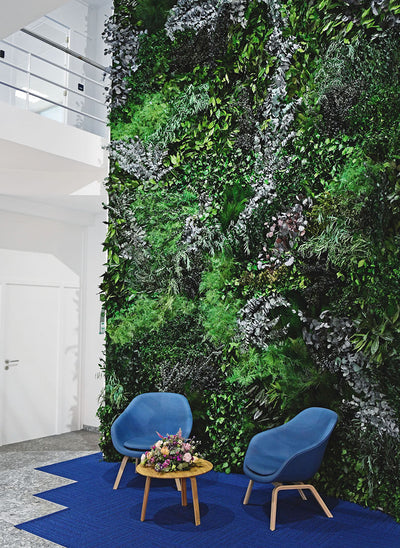
Think lush green walls breathing life into an office
Wooden textures resembling tree bark adorning furniture
A workspace designed to mimic a serene forest clearing.
Biophilic design isn't just about adding plants; it's about weaving nature's essence into every nook and cranny, transforming spaces into sanctuaries that reconnect us with the natural world.
Examples of biophilic design inspiration in interiors, offices, and architecture
Effective biophilic design lets earth be the architecture itself, or at least a big part of it. And what seems to be often overlooked is that it is also locally-appropriate design, meaning that the architecture should not just blend with nature, it should blend with its nature - the specific surroundings of the project itself.
Take a look at how architects prioritized human wellbeing, and reinforced biophilia and the relationship between nature, human biology, and the built environment through these amazing projects.
Residential Spaces: Bosco Verticale (Milan, Italy)
When we think of residential biophilia, we often picture cabins in the woods. But architect Stefano Boeri proved that high-density urban spaces can also be deeply rooted in nature. The Bosco Verticale (Vertical Forest) consists of two residential towers housing over 900 trees and 20,000 plants perfectly suited to Milan's specific climate.

Photo by Oliver Wendel
The trees act as a natural climate control system, filtering urban dust, absorbing carbon dioxide, and mitigating the city's "heat island" effect. It brings a living, breathing ecosystem directly to the residents' balconies.
Bring it to your spaces: You don't need a skyscraper to utilize vertical biophilia. If floor space is limited, look up. Installing a Large Moss Frame or a living wall in your apartment mimics this vertical forest effect, purifying your visual space and lowering stress without taking up valuable square footage.
Offices: SelgasCano Architecture Office (Madrid, Spain)
Buried halfway into the earth in a forest near Madrid, the SelgasCano office is a masterclass in blending with immediate surroundings. Half of the building is a curved, transparent acrylic tube, giving employees an uninterrupted, eye-level view of the forest floor, falling leaves, and local wildlife.

By sinking the office into the ground, the architects utilized the earth's natural insulation to keep the space cool during hot Spanish summers. The transparent ceiling eliminates the need for artificial lighting during the day, keeping workers deeply aligned with natural circadian rhythms.
Bring it to your spaces: While you can't bury your home office in the woods, you can prioritize natural light and acoustic tranquility. Position your desk near a window, and use Acoustic Moss Panels to absorb the harsh, echoing sounds of a modern room, recreating the hushed, focused acoustics of a natural forest.
Corporate Spaces: Etsy Headquarters (Brooklyn, New York)
Etsy’s corporate headquarters is a shining example of "locally-appropriate" interior design. Rather than importing exotic plants or generic corporate furniture, the space is entirely outfitted by local makers using hyper-local, sustainable materials. Rainwater is collected from the roof to water the indoor greenery, which is native to the Northeastern United States.

Source: Garret Rowland at Architect Magazine
The space feels authentic to its Brooklyn roots. By prioritizing non-toxic finishes, reclaimed local wood, and natural light, they created a corporate environment that feels like a collaborative artisan workshop rather than a sterile tech hub.
Bring it to your spaces: Embrace the "Rooted Life" by choosing decor made from sustainable, traceable materials. Swapping plastic fixtures for handcrafted, natural materials like our Ceramic Lighting or our woven Ola-Alo Rattan Pendant brings that same authentic, artisan energy into your daily life.
Architecture: Jewel Changi Airport (Singapore)
Airports are notoriously stressful, artificial environments. Safdie Architects flipped this narrative with the Jewel Changi Airport, a massive glass dome that houses the Shiseido Forest Valley and a 130-foot indoor waterfall. Because Singapore is a tropical, high-humidity environment, the architecture harnesses the local climate to sustain thousands of native tropical plants indoors.

Photo by Supanut Arunoprayote
The sound of the rushing waterfall and the dense canopy of greenery naturally lower the blood pressure and anxiety of weary travelers. It transforms a place of transit into a place of profound restoration.
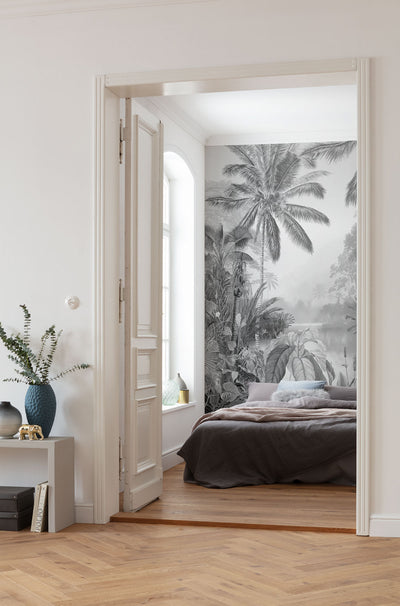
Bring it to your space: You can recreate the sensory immersion of the Jewel Changi on a residential scale using visual cues. Wrapping a bathroom or reading nook in an immersive, nature-focused mural—like the Adventure Awaits Mural—creates a restorative sanctuary that visually transports you away from daily stressors.
Community Projects: The High Line (New York City, USA)
Perhaps the most famous example of adaptive, locally-appropriate biophilia is the High Line. Built on a historic, elevated freight rail line above the streets of Manhattan, landscape architects allowed the park to be inspired by the self-seeded, wild plants that naturally grew on the abandoned tracks over the decades.
It proves that nature can reclaim human industry. It provides a vital, pedestrian-only green corridor for the community, encouraging walking, social interaction, and a daily connection to changing seasons in the heart of a concrete metropolis.
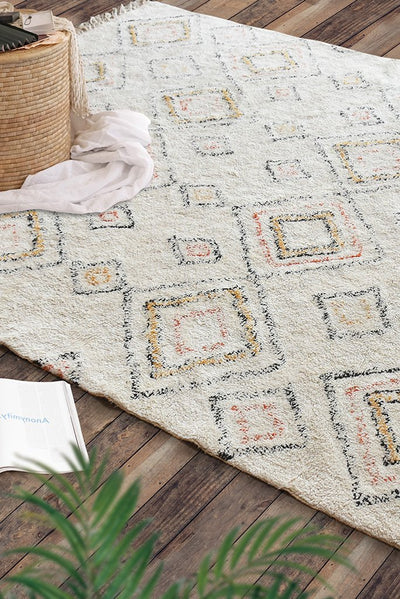
Bring it to your space: The High Line teaches us the beauty of letting nature be a little "wild." Instead of perfectly manicured, symmetrical decor, embrace organic, irregular shapes in your home. Incorporate pieces from our Earthy & Neutral Collection that feature raw edges, unpolished stone, and natural wood grains.
Calling all natural interior lovers

Experience the impact of biophilic design right here at Forest Homes. Say hello to interiors that are more than just walls and ceilings—they are spaces designed to integrate nature seamlessly.
Think of a home where greenery breathes life into your rooms and natural light energizes your surroundings. With biophilic design, your home becomes a haven, fostering a sense of calm and well-being in your daily life.
This isn't just about looks; it's about creating an environment that supports your mental health and productivity. Forest Homes offers you the chance to transform your living spaces into a peaceful retreat, where nature is an integral part of your home.
Join us in exploring how biophilic design can elevate your living experience. Discover the difference at Forest Homes—a home that harmonizes with nature. Experience biophilic design and redefine the way you live.




Leave a comment