




Late August carries a particular weight. The light starts to change, the calendar fills up again, the body knows the holiday is ending. This guide walks through how to prepare your home for September — bedroom, workspace, entryway and living room — so the return to routine feels softer rather than jarring, using design moves that don't require a renovation.

You know the feeling. The last week of August. The light starts changing in the evenings. Notifications about back-to-school start landing. Someone in the family is already worrying out loud about the work week ahead. Even if you love September — and many people do — the body registers it as a transition, and the home becomes either an ally or a small daily friction.
The good news: the design moves that help with September are not big. They are small, sensory, room-by-room. They are also exactly the moves contemporary wellness-led designers have been quietly making for years.
Below: a plain-English guide to preparing your home for September, with field notes from the designers and researchers who study this for a living.
In this article
- Why the return to routine feels demanding
- Prepare the bedroom first
- Prepare the workspace or focus corner
- Prepare the entryway for easier mornings
- Prepare the living room for decompression
- Prepare children's spaces with calm cues
- Choose one anchor ritual for September
- The September soft-landing checklist
Why the return to routine feels demanding
September asks more of the nervous system than summer does. More decisions. Earlier mornings. More noise — emails, conversations, schedules. More transitions in a single day. Less unstructured time. And often, a quieter need for rest that is harder to honour now that the day is fuller.
The home can absorb some of that pressure. Not by being prettier, but by being more rhythmically supportive — brighter where you need to be alert, softer where you need to be still, less demanding where you have nothing left to give.
Prepare the bedroom first
Sleep is the foundation of everything else. The Oxford circadian neuroscientist Russell Foster, whose 2022 book Life Time (written for general readers) draws on decades of research, is blunt about this: light is the dominant signal our biology runs on, and bedrooms designed against that signal create knock-on problems for the rest of the week. The Blume, Garbazza and Spitschan review on light and circadian rhythms describes evening light as one of the most powerful cues for winding the body down — yet many bedrooms still rely on bright overheads until the moment of sleep.
Practical preparations:
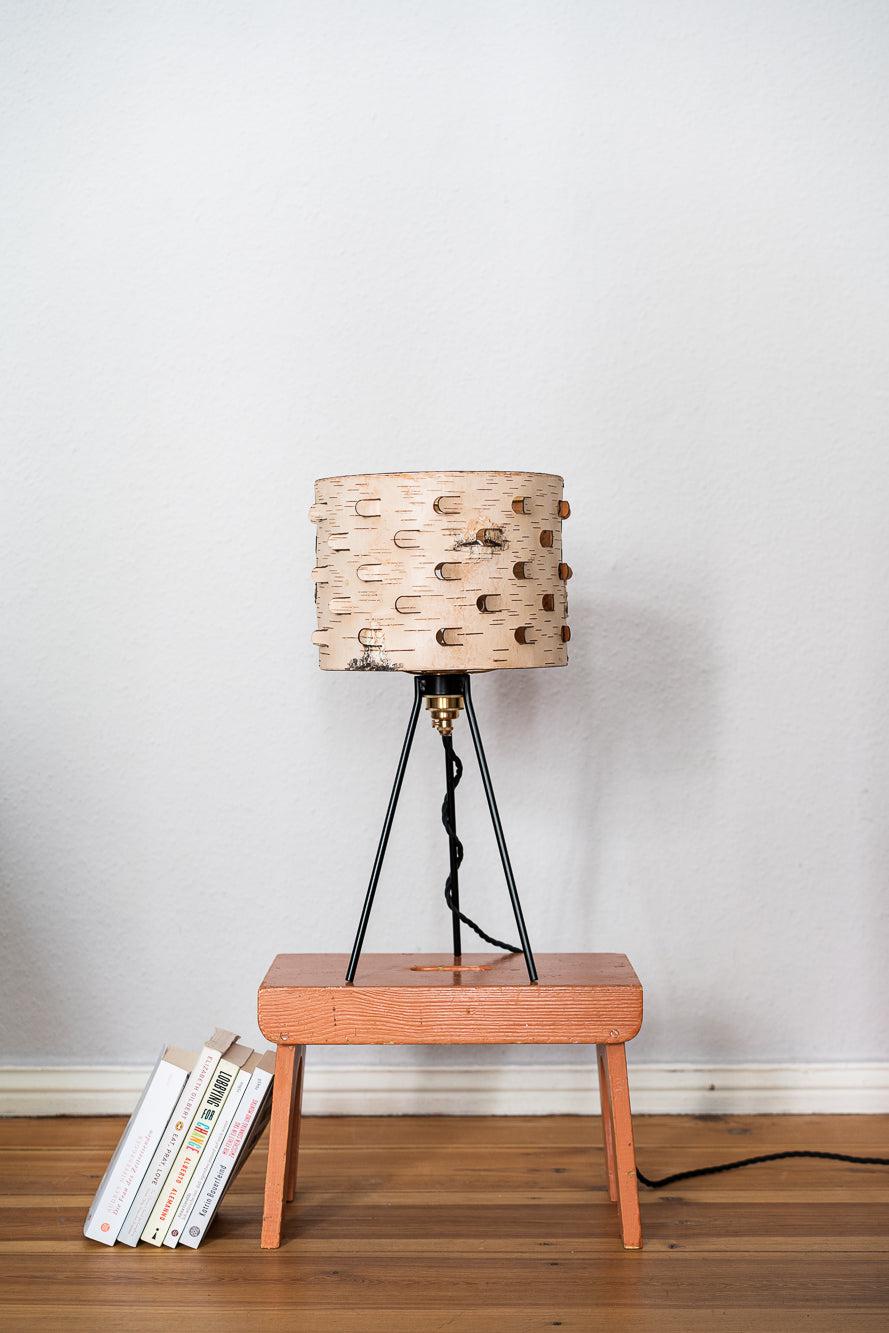
- Softer evening light — switch off the overhead, use bedside lamps with warm bulbs.
- Breathable bedding appropriate to the season.
- Less visual clutter on bedside tables.
- A calming scent ritual at bedtime.
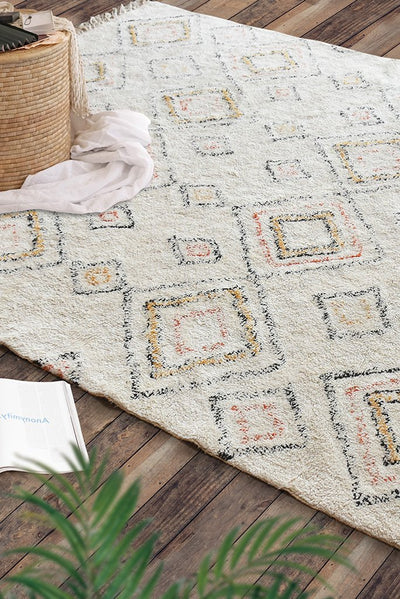
- A small rug beside the bed for the first step of the morning.
- Natural colours that the eye can rest on.
Prepare the workspace or focus corner
Whether you work from home full-time, part-time, or only on the occasional Tuesday, the workspace is where the most cognitive load lives in September. The Human Spaces global report — a survey of 7,600 office workers across 16 countries — found that those with natural elements in their workspace reported 15% higher wellbeing, 6% higher productivity and 15% higher creativity than those without. The Nature in the Office systematic review reaches the same conclusion: natural elements indoors — particularly wood — measurably support the stress response.
Translate that into a real corner of your home:
- Good task lighting that does not glare.
- Natural materials at hand — wood desk, ceramic mug, linen blind.
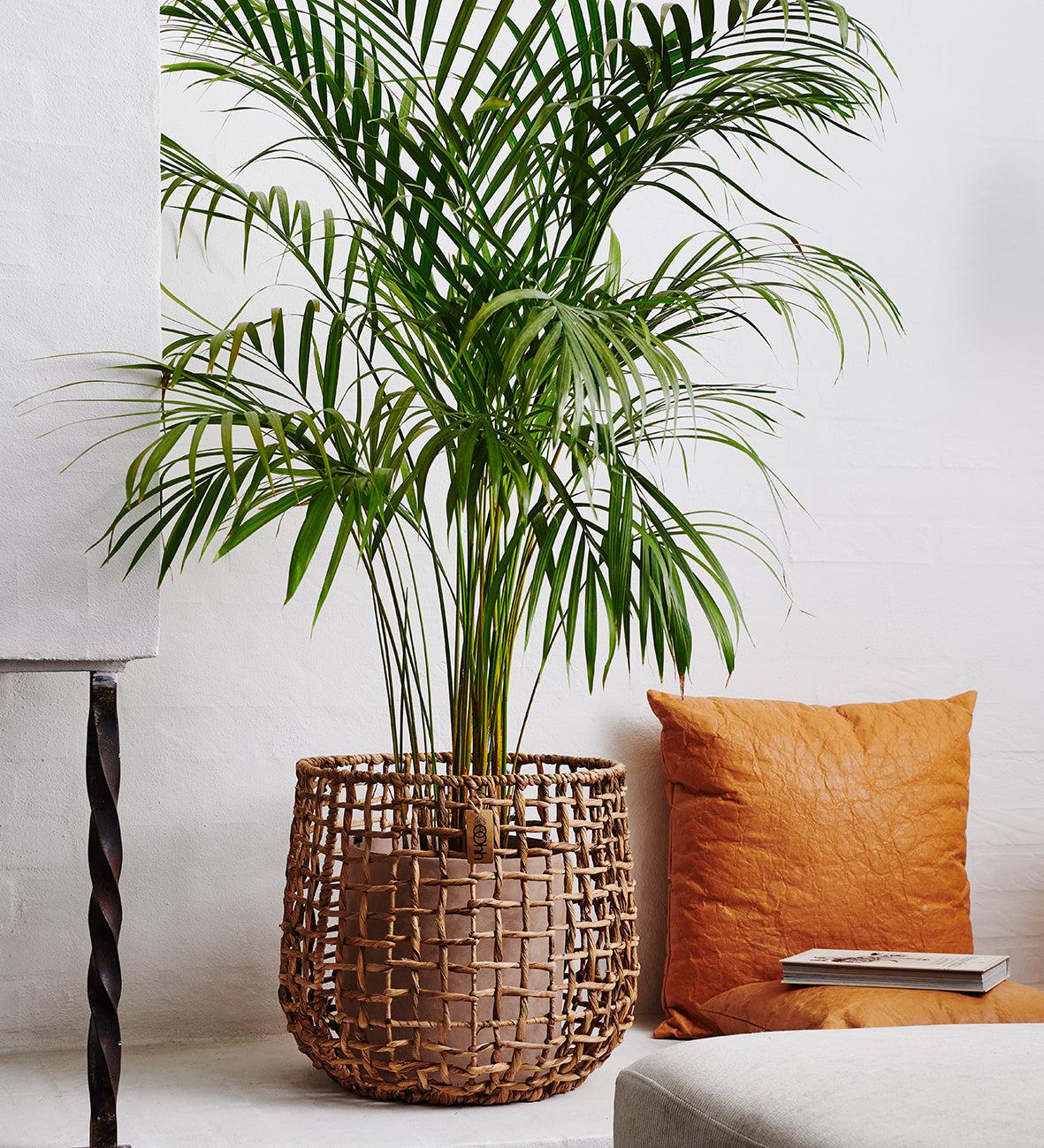
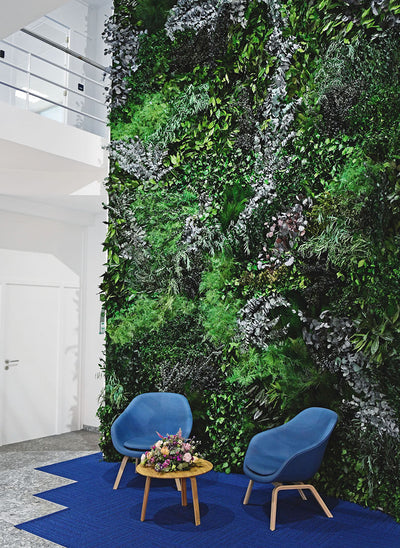
- A nature-inspired focal point: a plant or moss wall, a canvas print, or a single living plant.
- Reduced clutter on the desk.
- A comfortable chair you would not avoid sitting in.
- Soft acoustics — a rug, a textile pinboard, fabric curtains.
Prepare the entryway for easier mornings
The entryway is the smallest room in most homes and the one with the biggest emotional return. A chaotic entryway adds friction to every leaving and every returning — and in September, those happen more often.
Include:
- A defined place for bags.
- Organised shoes — even one basket is enough.
- A mirror for a final check before leaving.
- A basket for keys, wallets, post.
- Soft but functional lighting.
- Hooks at adult and child height.
- A small rug.
Prepare the living room for decompression
This is the evening room — the place where the family lands at 7pm with the residue of the day on them. Make it forgiving:
- Warm low light only after sunset.
- Soft textures within arm's reach.
- Low visual noise — clear surfaces, edited shelves.
- A natural scent diffused quietly.
- One cosy corner that belongs to no specific task — just sitting.

Prepare children's spaces with calm cues
Children feel the September shift, often more sharply than adults. Their rooms can either amplify the transition or soften it. The cues that help:
- Soft lighting, including a bedside lamp they can switch on themselves.
- Natural textures.
- Simple, visible storage.
- Calming colour palettes.
- A reading corner.
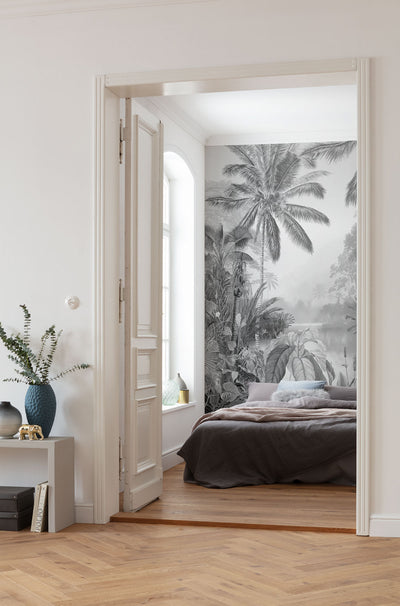
- Gentle, nature-inspired wallpaper rather than busy patterns.
Choose one anchor ritual for September
This is the cheapest design intervention in the article and one of the most effective. Choose a single small ritual that signals the day is shifting — and protect it.
- Turning on one specific lamp after dinner.
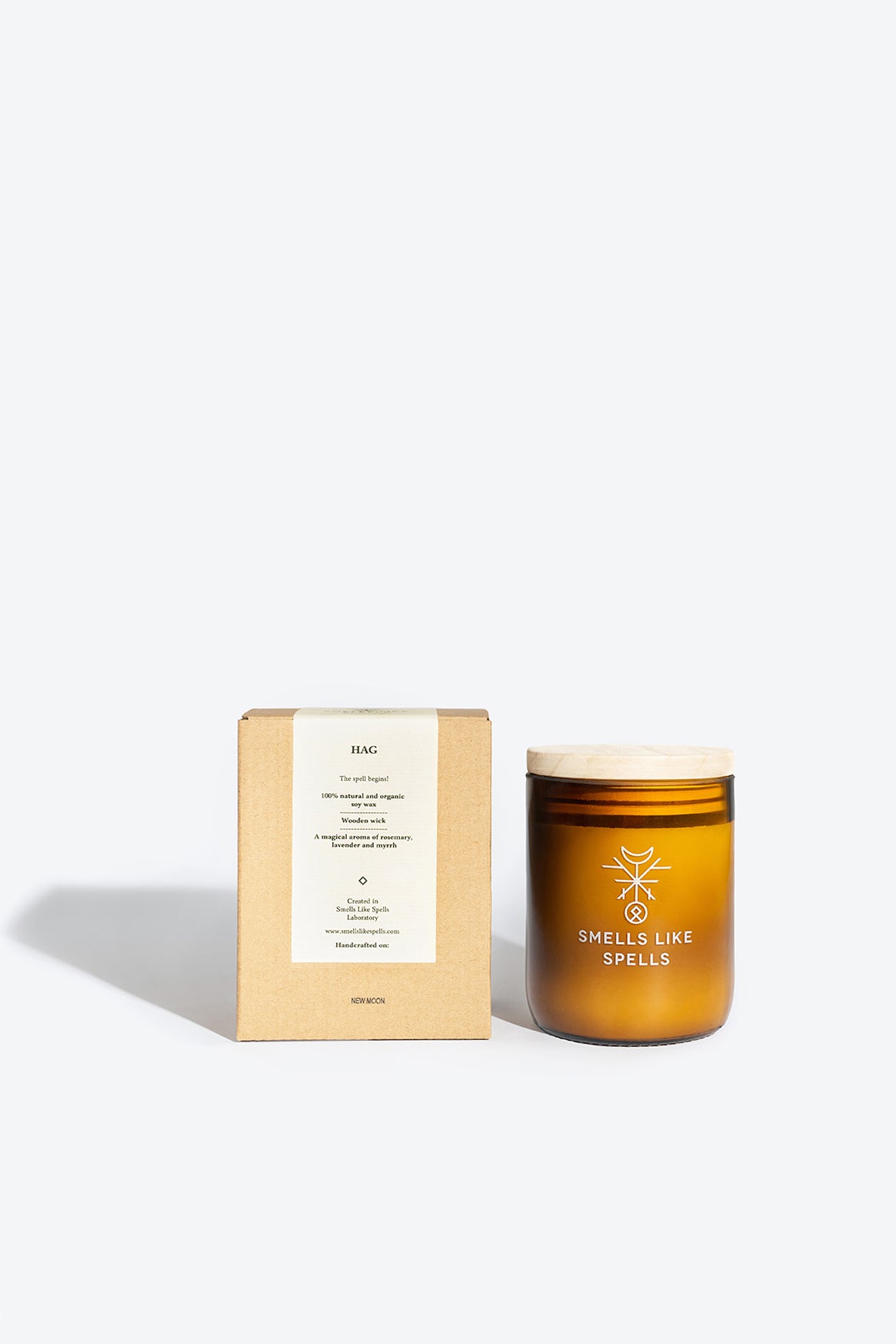
- Diffusing a scent at bedtime.
- Reading in the same chair, only.
- Placing school and work bags in one designated zone.
- A Sunday reset ritual.
"The return to routine is easier when the home supports the body's rhythm: brighter cues for focus, softer cues for rest, and natural elements that help the space feel less demanding." — A useful frame for designing a home around how a real week actually feels.
The September soft-landing checklist
- Clear surfaces in two rooms.
- Prepare the sleep environment.
- Improve at least one lighting source per main room.
- Add one nature cue in the workspace.
- Organise the entryway.
- Soften the workspace acoustics.
- Create one evening ritual the family knows.
None of this is a renovation. It is small, repeatable, and almost entirely about lighting, texture, scent and layout. The home does the rest of the work for you.
Explore our bedroom and desk lighting, natural textiles, entryway storage, plant wall art and natural scents — or read more about our biophilic design approach.




Leave a comment