




A home made with care often asks for patience. Handmade lighting, custom wallpaper and made-to-order rugs are not slower because someone is being careless. They are slower because the supply chain has been deliberately rebuilt around quality and lower waste. This guide explains why slow design takes longer, why it's worth the wait, and how to plan around lead times — with references from Patagonia's "fewer, better" philosophy to Studio KO and Vincent Van Duysen.

You order a lamp. It does not arrive in two days. You wait three weeks, possibly six. When it finally lands on the doorstep, it has small variations the website did not mention: a slightly uneven glaze on the ceramic, a fingerprint near the base, a colour that is one shade richer than the photograph suggested.
That is not a problem with the lamp. That is the lamp telling you something true about how it was made.
The slower a piece is to arrive, the more likely it was actually made for you. The faster a piece is to arrive, the more likely it was sitting in a warehouse next to ten thousand identical copies of itself. Neither of these is automatically right or wrong — but they are very different supply chains, with very different consequences for the room, the maker, and the planet.
Below: a plain-English explanation of why slow design takes longer, why the wait usually pays off, and how to plan a room around lead times without losing your mind.
In this article
- Why the most meaningful pieces aren't instant
- What "handmade" actually means
- Why made-to-order can be a more thoughtful way to shop
- The hidden impact of fast decorating
- How to plan around lead times without stress
- Typical categories that need more time
- Why waiting often leads to a better room
- The slow interiors checklist
Why the most meaningful pieces aren't instant
A handmade ceramic light is not slower because someone forgot to ship it. It is slower because:
- Materials are prepared in small batches.
- The form is shaped, dried, fired, cooled, glazed and fired again.
- Each finish is inspected by a human, not a scanner.
- Pieces are often made to order — produced only after you have committed to them.
- Inventory is intentionally kept low to avoid overproduction and waste.
Every part of that chain is doing useful work. Slower production lowers waste; lower waste means smaller runs; smaller runs mean longer lead times. The slowness is the system functioning, not the system failing.

What "handmade" actually means
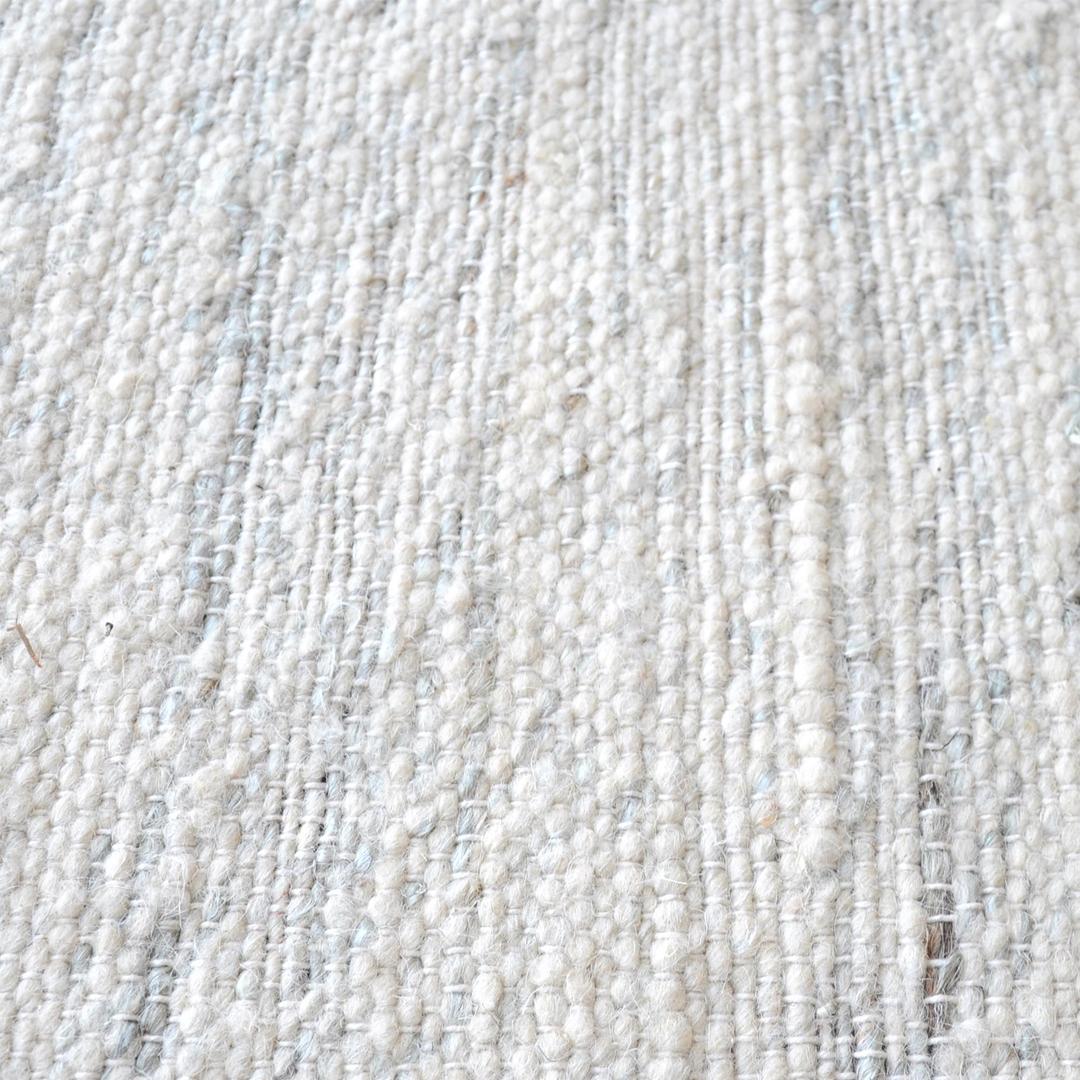
Handmade is not a label. It is a method. It means human skill is in the loop somewhere — shaping, finishing, glazing, weaving, assembling. The practical result is that no two pieces are exactly identical. A ceramic shade may carry a slight tonal variation. A woven rug will have small irregularities. A hand-assembled lamp will have torque marks where the craftsperson held it.
These are not flaws. They are evidence. Pieces that look perfectly identical are pieces a person never really touched.
The Swedish-born London designer Beata Heuman — whose 2021 book Every Room Should Sing is one of the most-cited contemporary references on warmth and personality — has argued for exactly this in interviews: a room full of mass-produced "identical" objects can never read as personal, no matter how expensive the objects are. Her own west-London flat, frequently photographed in House & Garden and The World of Interiors, is essentially a sustained argument for handmade pieces, the kind you keep for decades.
Why made-to-order can be a more thoughtful way to shop
Made-to-order means the object did not exist until you ordered it. That single shift in the supply chain changes more than people expect:
- It is produced for a specific customer, not for a warehouse forecast.
- Excess stock — one of the largest sources of waste in home retail — is minimised.
- Sizing and finish can often be customised.
- Buying becomes less trend-driven and more deliberate.
The World Green Building Council notes that buildings are responsible for around 39% of global energy-related carbon emissions — 28% from operations and 11% from materials and construction. Interiors sit inside that 11% and are replaced far more frequently than the building itself. Slower buying directly addresses that cycle.
The hidden impact of fast decorating
Fast decor — the cycle of cheap pieces bought, used briefly, and replaced — looks affordable until you account for everything it carries with it: frequent replacement, low durability, more packaging, more transport, more renovation cycles, and more landfill at the end.
The UNEP report Building Materials and the Climate: Constructing a New Future places the buildings and construction sector at roughly 37% of global emissions, with materials such as cement, steel and aluminium carrying particularly heavy footprints. And work by LMN Architects on tenant improvements and embodied carbon found that, over decades, the embodied carbon of interior renovations in a single building can be comparable to the structure and envelope themselves. Metropolis Magazine has made the same point from the design industry side: interior designers may be responsible for emissions at least equal to those of the building's structure.
The simplest mainstream version of all of this is Patagonia's "fewer, better, longer-lasting" philosophy — a thesis the brand has been pushing in apparel for decades, and one that translates exactly to interiors. Slow design is the same argument, applied to your sofa.
"Slow design is not just an aesthetic preference. It is also a more responsible way to decorate — because the things we replace often have a footprint of their own." — A common refrain across contemporary sustainability-focused design writing, from Metropolis to Dezeen.
How to plan around lead times without stress
The trick is sequence, not speed. A few simple habits:
- Start with the longest-lead item — usually lighting, wallpaper or a custom rug.
- Order samples early. A €15 sample saves a €600 mistake.
- Measure carefully, twice.
- Confirm colours and finishes under your own light before ordering.
- Layer quicker updates — cushions, scents, smaller decor — while you wait.
- Use a mood board so the slow pieces and the fast pieces are designed to live together.
Typical categories that need more time
At Forest Homes the slower categories include:
- Handmade ceramic lights and pendant lamps.
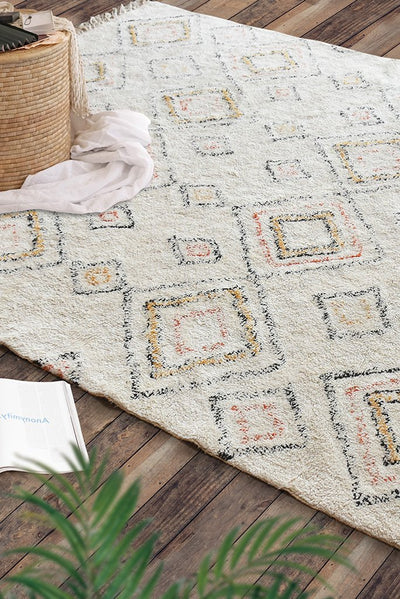
- Made-to-order rugs.
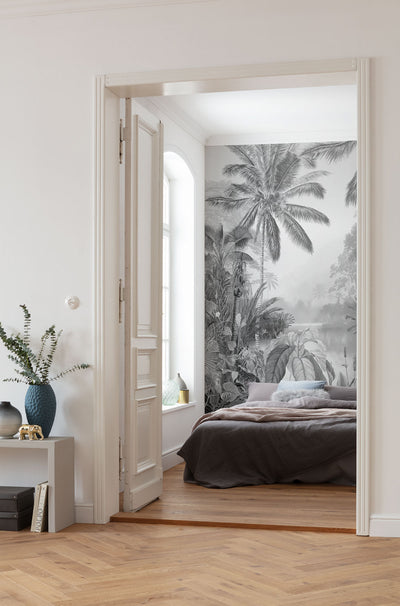
- Custom mural wallpaper.
- Artisan decor and large fragile pieces.
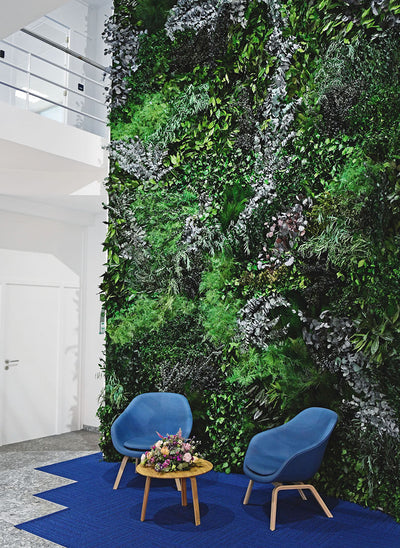
- Bespoke plant and moss wall art.

Why waiting often leads to a better room
The hidden gift of lead times is that they slow your buying nervous system down. You stop adding for the sake of adding. You start choosing the room rather than reacting to it. The pieces you end up with tend to be better-fitting, better-quality, and more emotionally connected — and the room lasts longer because of it.
The Belgian designer Vincent Van Duysen (creative director of Molteni&C, whose work appears in basically every contemporary interiors magazine) describes the discipline behind this in three words he keeps coming back to: calm, sensorial, modest. The third word is the one most people skip. Modesty in this context means: fewer things, chosen carefully, lived with for a long time. Slow design is the supply chain that makes "modest" actually possible.
Try this when planning a refreshOpen a blank page. Write down the longest-lead item the room needs (almost always a light or wallpaper). Put that piece in motion today. Schedule the smaller, faster pieces — cushions, throws, scent — for delivery after the slow piece arrives. The room comes together in the right order, and you avoid the trap of buying ten cushions to compensate for a missing anchor.

The slow interiors checklist
Five questions to ask before buying anything for your home:
- Will I still love this in five years?
- Is it made with care — by hand, in small batches, or to order?
- Does it support the feeling I want in the room, not just the look?
- Does it work with the materials I already have?
- Is it worth planning for, rather than buying impulsively?
If you can answer "yes" to most of those, the piece is worth waiting for. If you cannot, the lead time is doing you a favour — it is giving you time to change your mind.
Explore our handmade lighting, custom wallpaper, made-to-order textiles and artisan plant wall art. Or read more about our sustainable interiors philosophy.




Leave a comment