




Spring has a way of making us want to reset. But not everyone experiences that urge in the same way. For the remote worker, it is staring at a cluttered desk, where tangled chargers and scattered notes turn even simple tasks into mental overload. For the parent who filled their home with bright colors and playful patterns, it is when they realize the space now feels more exhausting than energizing. For many, especially those who are neurodivergent, it’s a need to reduce sensory input and create an environment that feels calm rather than overwhelming. In a world of constant notifications and visual stimulation, the idea of a “low dopamine home” is gaining traction as a new kind of wellness approach. Rooted in neuroaesthetics, it shifts away from high-energy, trend-driven interiors toward spaces designed for calm, focus, and recovery. By embracing natural light, organic materials, and dedicated screen-free zones, your home can become more than just tidy, it can become a restorative interior. Discover 7 mindful ways to spring clean your home and create a low-dopamine space that serves your wellbeing and relaxation, reducing stimuli and frustration.
The transition from winter to spring is the ideal moment to audit our environments for "visual noise"—the clutter and chaos that keep our nervous systems in a state of high alert. Research in neuroaesthetics indicates that 95% of brain activity is unconscious, and our brains form impressions of a space’s "vibe" in less than four seconds.
When a home is designed for high-dopamine hits, filled with bright primary colors and trendy, disposable items, it can inadvertently contribute to digital burnout and mental fatigue. In contrast, a low dopamine home environment utilizes the principle of "soft fascination" to lower cortisol levels by 15-20% and support the body’s parasympathetic "rest and digest" state.
In this article, we cover the following:
-
Why is spring cleaning is good for your interior and your health?
-
What is low-dopamine design?
-
Choose tactile, organic textures: wood, linen, stone
-
Maximize natural light for mood regulation
-
Thoughtful decluttering: design tips to reduce visual noise
-
Create dedicated screen-free interior spaces
-
Embrace neuro-aesthetic color palettes
-
Improve your space acoustics and scents
-
Design with natural fractals and curves
1. Why spring cleaning is good for your home and your health?
Spring doesn’t just bring warmer weather and longer days—it often sparks the urge to open windows, clear clutter, and tackle the mess built up over winter. While it may feel like another chore, spring cleaning can offer real health benefits. As Dr. Andrew Wong explains at Hartford Hospital explains, it’s not just about a nicer home—it can improve both physical and mental well-being.
 In this picture: Douche de Feuilles Mural Wallpaper
Encourages movement
Cleaning involves real physical activity. Tasks like vacuuming, scrubbing, and organizing raise your heart rate and engage muscles, helping you stay active after a sedentary winter. As Dr. Wong notes, it’s not a replacement for exercise, but it still contributes to overall movement. Just remember to pace yourself and lift carefully.
Improves air quality
Dust, pet dander, and mold can build up indoors. A deep clean helps remove these allergens, which, according to Dr. Wong, can reduce symptoms like congestion, coughing, and itchy eyes. Washing bedding and cleaning surfaces can make a noticeable difference.
Reduces stress
There’s a strong link between your environment and mental health. As Dr. Wong points out, a cleaner, more organized space can lower stress and improve mood. Even completing small tasks can create a sense of accomplishment.
Supports better sleep
A clean bedroom—with fresh sheets and fewer allergens—can improve sleep quality. Dr. Wong notes that reducing dust and clutter can help you relax and breathe more easily at night.
Makes your interiors safer
Spring cleaning is also a chance to reduce hazards. Clearing walkways and organizing spaces can help prevent injuries. As Dr. Wong highlights, this is especially important for older adults or those with mobility issues.
Resets healthy habits
Spring cleaning often encourages broader lifestyle changes. Dr. Wong explains that a refreshed, functional space can motivate healthier routines, from cooking at home to staying organized.
Spring cleaning doesn’t have to be overwhelming—start small and go step by step. As Dr. Wong emphasizes, the goal isn’t perfection, but creating a space that supports your health and daily life.
Learn more about why it is important to declutter and how it can benefit your mental health and others' wellbeing
2. What is low-dopamine design?
In our fast-paced, hyper-connected world, our brains are constantly bombarded with stimuli that trigger rapid dopamine release. This neurotransmitter, often dubbed the "feel-good" chemical, is responsible for the fleeting moments of pleasure we experience daily, for example when we buy something new or indulge in a sweet treat. However, the perpetual chase for dopamine hits can lead to burnout, anxiety, and an overall sense of frustration. This is where the concept of low-dopamine design comes into play. This philosophy prioritizes simplicity, mindfulness, and intentionality in our living spaces to foster sustained well-being.
Low-dopamine design is rooted in the principle that less is more. By reducing the number of stimuli and distractions in our environment, we can create a space that makes us feel relaxed, focused, content: this is also known as mindful home design. This approach encourages us to strip away the excess and embrace a minimalist aesthetic, where each item in our home serves a purpose and brings genuine joy. Instead of seeking quick dopamine fixes from material possessions, low-dopamine design invites us to cultivate deeper connections with our surroundings and ourselves.

In this picture: Kalahari Rattan Linen Table Lamp
One of the key elements of mindful home design is prioritizing quality over quantity. This means investing in a few high-quality, timeless pieces that resonate with our values and aesthetics rather than accumulating an abundance of trendy, disposable items. By curating our spaces with intention and mindfulness, we can create environments that not only look beautiful but also support our mental and emotional wellbeing. This shift from consumerism to intentional living is at the heart of the low-dopamine design philosophy, inviting us to slow down and savor the present moment, finding contentment in simplicity.
3. Choose tactile, organic textures: wood, linen, stone
The materials we choose to bring into our living spaces can have a significant impact on our sensory experiences and overall well-being.
The first step in a mindful spring detox is replacing synthetic, "slick" surfaces with organic textures. Our fingertips naturally seek out the grain of wooden surfaces and the irregularities of hand-spun fibers to ground us in the present moment.
Solid Wood
Being close to wood has a documented stress-reducing effect. Integrating different natural woods provides a sensory anchor that ages gracefully.
With its warm tones and rich grain patterns, wood can be added to any home in a wide array of ways: through hardwood flooring, wooden furniture, decorative accents as simple as an oak frame for some beautiful art, and so many more.
Natural Fabrics
Swap synthetic throws for breathable linen and hemp. Linen is naturally antibacterial and becomes softer with every wash, while hemp is a "miracle fiber" with high durability.
Linen is known for its breathable, durable, and eco-friendly properties, adding a touch of elegance and comfort to any space. Its uses range from bedding and curtains to upholstery and bathroom; the soft, textured surface of linen invites touch and enhances the sensory experience of our homes. Its natural, unprocessed appearance also contributes to a sense of authenticity and simplicity, aligning with the principles of mindful and intentional living.

In this picture: White Linen Duvet Cover Set
Clay and Stone
Hand-thrown ceramics and stone trays offer a cool, grounding touch that mass-produced items cannot replicate.
Stone, with its timeless beauty and durability, can enhance the sensory experience of our homes. Imagine stone countertops, flooring, or even a wallpaper that features stony looks: incorporating stone into our home design can create a sense of permanence and stability.
Through these totally organic materials, we can create environments that create a deeper connection between us, our homes, and the natural world.
4. Maximize natural light for mood regulation
Natural light is a powerful and often underutilized element in home design that can have a profound impact on our mood and energy levels. Natural light interiors can help regulate our circadian rhythms, the internal biological clocks that govern our sleep-wake cycles, hormone production, and other physiological processes. It is possible to harness natural light indoors to achieve an environment that supports our physical and mental health and enhance our overall quality of life.
So, how can you maximize natural light indoors?
Window placement
One of the most effective ways to create natural light interiors is to design our spaces with large, strategically placed windows. Floor-to-ceiling windows, skylights, and glass doors can flood our interiors with sunlight, creating bright, airy, and inviting spaces. When planning window placement, it's essential to consider the orientation of our home and the path of the sun throughout the day. South-facing windows, for example, receive the most sunlight and can be particularly beneficial for spaces where we spend a lot of time, such as living rooms and kitchens.
Use mirrors strategically
In addition to window placement, the use of reflective surfaces and light-colored materials can help amplify natural light and distribute it more evenly throughout our spaces, as well as make them look bigger and wider. Mirrors, glass, and glossy finishes can reflect sunlight and brighten even the darkest corners of a room, creating a sense of brightness and openness.
Clear the windows
To further enhance the impact of natural light, it's essential to keep windows clean and unobstructed: heavy curtains, furniture, and clutter can block light and diminish its positive effects. Opt for sheer or lightweight window treatments, place your furniture away from windows, and regularly clean them to maximize the amount of natural light that enters your home. An environment that is full of natural light will is something you'll never want to leave.

In this picture: White Linen Curtains
Layer lighting
Move away from harsh overhead sources. Use table lamps at eye level with warm-toned bulbs (2700K) to signal the body to wind down in the evening.
Find out more tips on combining natural materials and lighting for the perfect "quiet luxury" space here.
5. Thoughtful decluttering: design tips to reduce visual noise

Source: Getty Images
Visual noise, the clutter and distractions that populate our living spaces, can have a profound impact on our mental and emotional wellbeing. This becomes even more exacerbated if we add a crucial part of all of our daily lives to it: digital clutter.
A cluttered environment can contribute to feelings of stress, overwhelm, and anxiety, making it difficult to relax and focus (and even work, if you do so from home). Thoughtful decluttering is the process of intentionally removing unnecessary items and organizing our spaces: it is a powerful tool for creating a low-dopamine home space and get into a much-needed digital detox interior. Experts recommend the "Dissolving Caterpillar" method, which encourages you to shed old patterns and possessions that no longer serve your true self, rather than just "getting rid of stuff".
"Edit for joy"
Follow the advice of Marie Kondo and Emily Janak: keep only what sparks joy or holds meaning. Framing personal items like sketches or meaningful notes can instantly improve the emotional atmosphere of a home.
One of the first steps in thoughtful decluttering is to assess our spaces and identify areas of visual noise. This may include piles of paperwork, overflowing closets, crowded countertops, and other sources of clutter. Evaluate each item and determine its purpose and value, as well as its impact on your wellbeing. Items that no longer serve a meaningful purpose or contribute to visual or digital noise can be donated, recycled, or discarded: we only keep what makes our home feel harmonious.
Storage
Once we have pared down our belongings, it's essential to organize our remaining items in a thoughtful and intentional manner. Storage solutions such as baskets, bins, shelves, and drawers can help keep items out of sight and create a sense of order and calm. Labeling storage containers and designating specific places for each item can also contribute to a more organized and functional space. We may even create a system or routine for maintaining organization: this will help prevent future clutter and ensure that our spaces remain serene and inviting.
Use innovative storage made of recycled materials, such as our storage collection, to keep necessary but non-aesthetic items out of sight.
6. Create dedicated screen-free interior spaces
A digital detox interior is essential for reducing digital fatigue and restoring mental clarity. Constant exposure to screens overstimulates the brain, strains the eyes, and disrupts natural sleep cycles by suppressing melatonin. By intentionally designing areas of your home that are free from devices, you create opportunities for true rest, focus, and presence—something that’s increasingly rare in a hyper-connected environment.
The digital-free bedroom
The bedroom should function as a sanctuary for rest, not an extension of your online life. Removing smartphones, tablets, and even laptops helps signal to your brain that this space is for winding down. Replace digital alarms with analog clocks to avoid late-night scrolling, and opt for warm, natural materials like cotton, linen, or wood to create a calming atmosphere. Soft lighting, minimal clutter, and the absence of notifications all contribute to deeper, more restorative sleep and a gentler start to the day.

In this picture: Misty Rose Linen Duvet Cover
The reading nook
A dedicated reading nook encourages slower, more mindful activities like reading, journaling, or simply thinking. Choose a comfortable chair, add a soft throw or cushion, and position the space near a window to take advantage of natural light. Keeping this area free of screens and charging ports helps reinforce its purpose as a place of quiet focus. Over time, this small ritual space can become a mental refuge—somewhere you associate with calm, creativity, and uninterrupted attention.
7. Embrace neuro-aesthetic color palettes
Color is one of the most emotionally charged elements of design. For a low dopamine home, move away from high-contrast palettes toward earthy, grounded tones that stabilize the mind. Learn more about how colors in your space impact your wellbeing.

In this picture: Form Symbiotic Wallpaper
| Color | Psychological Impact | Recommended Use |
| Sage & Moss Green | Boosts creativity and roots the brain in nature |
Home offices and living areas
|
| Warm Earth Tones (Ochre, Terracotta) | Creates a grounded, inviting atmosphere |
Entryways and communal spaces
|
| Soft Blues | Proven to lower blood pressure and stress | Bedrooms and "quiet zones" |
| Warm Neutrals (Alabaster, Taupe) | Reduces visual tension and cognitive load |
The "fifth wall" (ceilings) and backdrops
|
8. Improve interior acoustics and scents
Detoxing your home involves all five senses. Sound and smell can either correct harsh environmental cues or add to the "noise".
Acoustic comfort
Acoustics is the science of sound and how it behaves in space: how the sound is made, how it travels and how it is heard. The perception of sound is subjective – we all experience it differently.
Building acoustics are an important consideration in the design and functioning of most buildings and can have a significant impact on people’s health and wellbeing, communication and productivity. The configuration and size of indoor spaces, the materials used inside the building and the level and type of external noise all affect the acoustic environment. Learn more about how space acoustics affect your wellbeing.

In this picture: Moss Framed Frames
Use materials that "breathe" silence. Our moss art collection is exceptionally effective at absorbing sound waves, with absorption coefficients reaching up to 0.9.
Therapeutic Scents
Despite its important roles in warning us of danger, supporting eating behavior, and aiding social communication, the human sense of smell is often underappreciated. Compared to sight and hearing, it has been studied less, and many of its functions remain unclear, leading some to see it as less useful.
However, smell is closely linked to brain areas involved in memory and emotion, which is why certain scents can trigger powerful memories. These scent-based memories tend to be vivid, emotional, and sometimes unstructured—some recalling the past, others shaping new experiences.
For example, being in a forest offers a rich sensory experience that is best appreciated by breathing deeply and engaging fully with the surrounding scents.
Learn more about how nature fragrances impact our wellbeing.
Use essential oil diffusers with natural essential oils lavender or bergamot to stimulate the nervous system toward peace. Avoid synthetic fragrances that contribute to poor air quality. Explore our scents collection.
9. Design with Natural Fractals and Curves
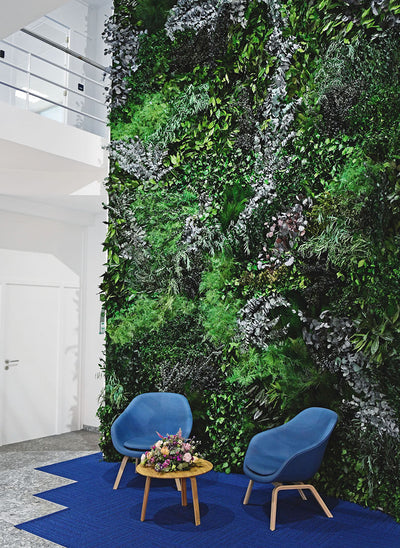
The human brain has evolved to process "Fractal Fluency"—the self-similar, repeating patterns found in tree branches and stone veining. When these patterns are present, the brain works less to interpret the environment.
Fractals appear everywhere in nature—ferns, tree branches, mountain ranges—and our brains instinctively respond to them with a sense of calm and fascination. See more about fractals here.
Curves over sharp edges
We naturally gravitate toward smooth curves over sharp angles. Choose furniture with rounded silhouettes to soften the overall look of a room.
Sharp corners and straight lines have their place, but curves instantly change how a room feels—making it warmer, more inviting, and more natural. See more about curved interiors here.
Nature as art
Viewing scenes of nature stimulates a larger portion of the visual cortex than non-nature scenes, which triggers more pleasure receptors in our brain, leading to prolonged interest and faster stress recovery.
Heart rate recovery from low-level stress, such as working in an office, has been shown to be 1.6 times faster when the space has a glass window with a view of nature, rather than a high-quality simulation (i.e., plasma video) of the same view, or no view at all (Kahn et al., 2008). Furthermore, unlike non-nature, repeated viewing of real nature does not significantly diminish the viewer's level of interest over time (Biederman & Vessel, 2006).

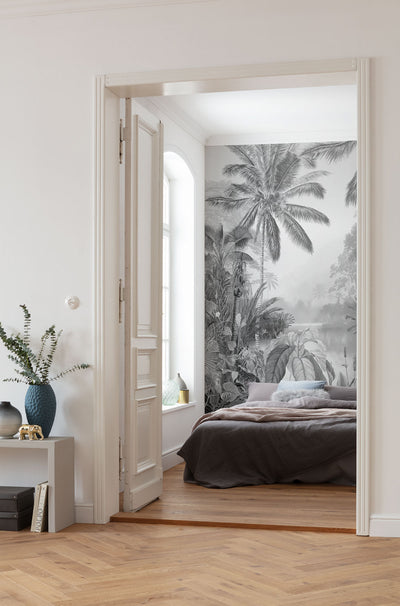
In picture: Ladakh Mural Wallpaper
Integrate nature wall art or murals like the Bois Brumeux Mural to provide "soft fascination" views that aid in stress recovery.
Final thoughts
At its core, creating a low dopamine interior isn’t about stripping your space of personality or following another rigid trend. It’s about intention. It’s choosing what supports your well-being and letting go of what quietly drains it. In a world that constantly competes for your attention, your home can become the one place that gives it back to you.
You don’t need to transform everything overnight. Small shifts: a calmer color palette, a clutter-free corner, a screen-free ritual at the end of the day can have a meaningful impact. Over time, these choices add up, shaping an environment that feels less overwhelming and more supportive of how you want to live.
This spring, instead of simply cleaning your home, consider how it makes you feel. Because a truly refreshed space isn’t just one that looks better, it’s one that helps you think clearer, rest deeper, and move through your day with a little more ease.
In addition to reducing visual noise, thoughtful decluttering can also enhance our overall sense of mindfulness and presence. By surrounding ourselves with items that are meaningful, functional, and aesthetically pleasing, we can create environments that support our wellbeing and reflect our values and intentions.
Want to know more about mindful home design? Explore our blog for up-to-date tips, ideas, and news about the biophilic way of life.




Leave a comment