




There’s a moment you could often recognize: you open the doors on a warm day, step outside with your coffee, and something feels… off. The inside of your home is calm, cohesive, and thoughtfully designed, but the outdoor space feels like a separate world entirely. Different materials, mismatched furniture, no real sense of connection. It’s a missed opportunity.
When your interior and exterior spaces work together, your home feels bigger, more functional, and more relaxing. Even better: you don’t just have a patio, you actually use it. That’s where the concept of indoor-outdoor flow comes in: with the right choices, you can create a seamless living design that makes moving between spaces feel natural rather than abrupt.
Below is a practical, grounded guide to help you get there, without overcomplicating the process.
Around this time of year, something shifts. The air softens, the light stretches into the evening, and doors begin to stay open just a little longer. Outdoor spaces, whether a small terrace or a generous garden, start to feel more like an extension of home.
But achieving that effortless indoor-outdoor flow isn’t about opening up a space. It’s about designing it in a way that removes the feeling of transition altogether.
The most compelling homes don’t announce where the interior ends and the exterior begins. Instead, they rely on subtle continuity—of materials, tones, and atmosphere—to create a sense of calm that carries throughout.
Index
- Why indoor-outdoor flow improves well-being
- Keep material continuity across spaces
- Choose durable natural outdoor furniture
- Maximize light and transparency
- Define outdoor spaces with textiles
- Sensory design: beyond visuals
- Common mistakes to avoid
1. Why does indoor-outdoor flow matter for well-being?
A home that connects naturally to the outdoors changes how it feels to live in it. There’s a noticeable difference between stepping outside and simply continuing your space into the open air.

In this image: Cafe Creme and Natural Linen Tablecloth
Research from institutions like the BMC Public Health has consistently linked natural light exposure with improved sleep patterns and mental clarity. Similarly, findings supported by the National Institutes of Health highlight how environments that integrate natural elements can significantly reduce stress levels.
What makes indoor-outdoor flow so powerful is that it removes friction. You don’t have to decide to “go outside”—you’re already there, in a way. Light reaches further into your home, air circulates more freely, and the space itself feels less confined.
2. Keep material continuity across spaces.
One of the most effective ways to create a seamless transition is through consistency in materials. When tones and textures relate to each other, even loosely, the eye reads the space as one continuous environment.
If your interior features warm oak or walnut, extending that warmth outdoors with teak or similarly toned hardwoods creates an immediate sense of cohesion. At Forest Homes, pieces made from solid oak and natural wood finishes are designed to pair effortlessly with outdoor teak collections, allowing the transition to feel intentional rather than staged.
Stone plays a similar role. Soft, matte finishes—whether indoors or out—create a grounded, tactile continuity that feels calm and enduring.
3. Choose durability and natural materials
Furniture is often where the illusion of continuity breaks. Too often, outdoor spaces are filled with materials that feel disconnected from the warmth and authenticity of the interior.
The difference lies in choosing pieces that are built to endure, but also designed to age gracefully.
Pairing outdoor seating with a solid wood coffee table—in a tone that reflects your indoor palette—creates a visual rhythm between the two spaces.
Rather than thinking of outdoor furniture as separate, it helps to approach it as an extension of your interior language:
- The same emphasis on craftsmanship
- The same restraint in design
- The same focus on natural materials
4. Maximize glass and light to blur the boundary
Light is what ultimately dissolves the boundary between inside and outside. Even the most carefully selected materials won’t create continuity if light is restricted.
Large openings—whether sliding doors or expansive windows—allow daylight to move freely, softening edges and creating a shared atmosphere between spaces.
Within Forest Homes interiors, this is often complemented by light-toned wood finishes and neutral textiles, which reflect rather than absorb light. The result is a space that feels open without needing to be minimal.
Even without architectural changes, small adjustments can shift the experience:
- Sheer linen curtains instead of heavy drapery
- Furniture positioned to face outward views
- Open shelving that doesn’t block light paths
These choices don’t draw attention to themselves, but they fundamentally change how the space feels.

Photo by Dkor Interiors
5. Use of natural rugs and textiles to define outdoor spaces
Outdoor areas often lack the structure that interiors naturally provide. Without clear zones, even a well-furnished patio can feel incomplete.
This is where textiles become essential.
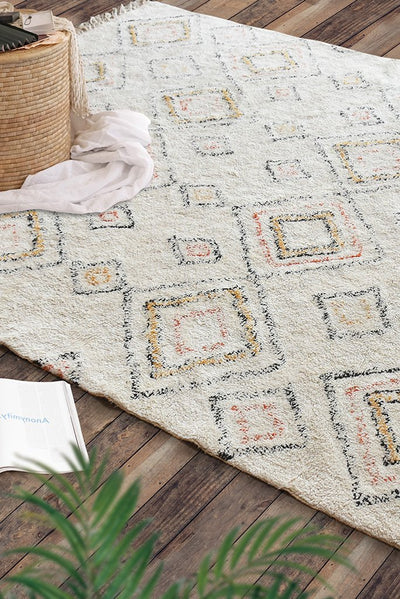
A large natural fiber rug, like those found in the Forest Homes textile collection, can instantly ground an outdoor seating area. The texture adds warmth, while the neutral tones maintain visual continuity with indoor spaces.
Layering is key, but it should feel effortless. Linen cushions, soft throws, and woven textures create comfort without excess. The goal isn’t to decorate heavily, but to make the space feel lived-in and inviting.
The Forest Homes natural rugs and linen textile pieces are designed specifically for this kind of layered, understated environment.

6. Don't forget about all the senses: Engaging more than just sight
What makes a space memorable is rarely just visual. It’s the combination of subtle sensory elements that shape how it’s experienced.
In homes that flow seamlessly between indoors and outdoors, you’ll often notice:
The scent of natural wood or nearby greenery
A softened acoustic quality from textiles and organic materials
The tactile contrast between smooth stone and woven fabrics
Forest Homes pieces naturally support this kind of environment because they emphasize raw, honest materials—wood that retains its grain, textiles that feel substantial, finishes that aren’t overly processed.
These details don’t stand out individually, but together they create a space that feels grounded and calm.
7. What are common mistakes to avoid when merging indoor and outdoor spaces?
Even beautifully designed homes can lose their sense of flow when a few key elements are overlooked.
A common issue is introducing outdoor furniture that feels overly synthetic or stylistically disconnected from the interior. This breaks the visual continuity immediately.
There’s also a tendency to over-layer—adding too many textures, colors, or decorative elements—which creates noise rather than cohesion.
Sometimes the issue is simpler: a blocked threshold, heavy curtains, or abrupt material changes can interrupt what would otherwise be a seamless transition.
The most successful spaces tend to do less, but do it with clarity and intention.

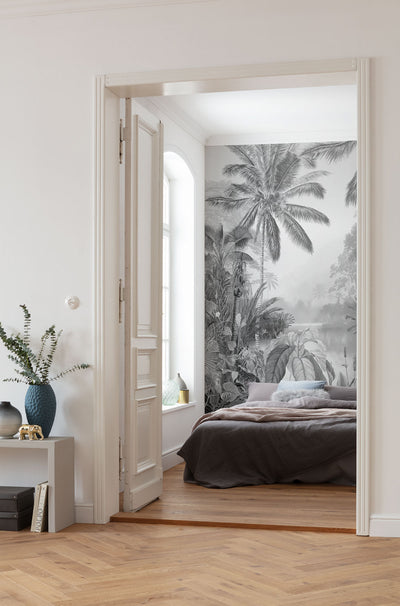
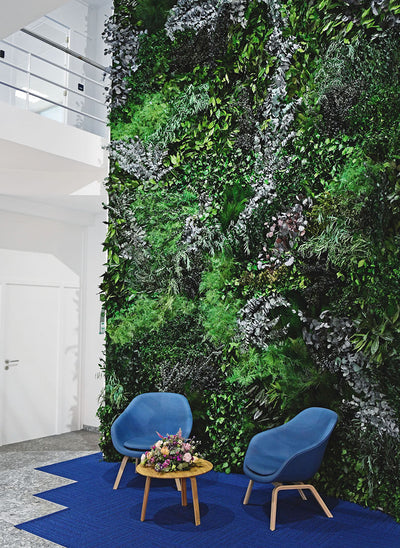
Merge the outside with the inside scene by using visuals that match each other. For example in a tropical environment, use a tropical theme wallpaper. In this image we feature the Banana Grove wallpaper
Final thoughts: Spaces that extend beyond themselves
When indoor and outdoor spaces are designed as one, the change is subtle but meaningful.
The space feels more open, more breathable, more connected to its surroundings. Light travels differently. Spaces feel less defined—and more alive.
It’s not about creating something new, but about allowing what already exists to connect more naturally.




Leave a comment